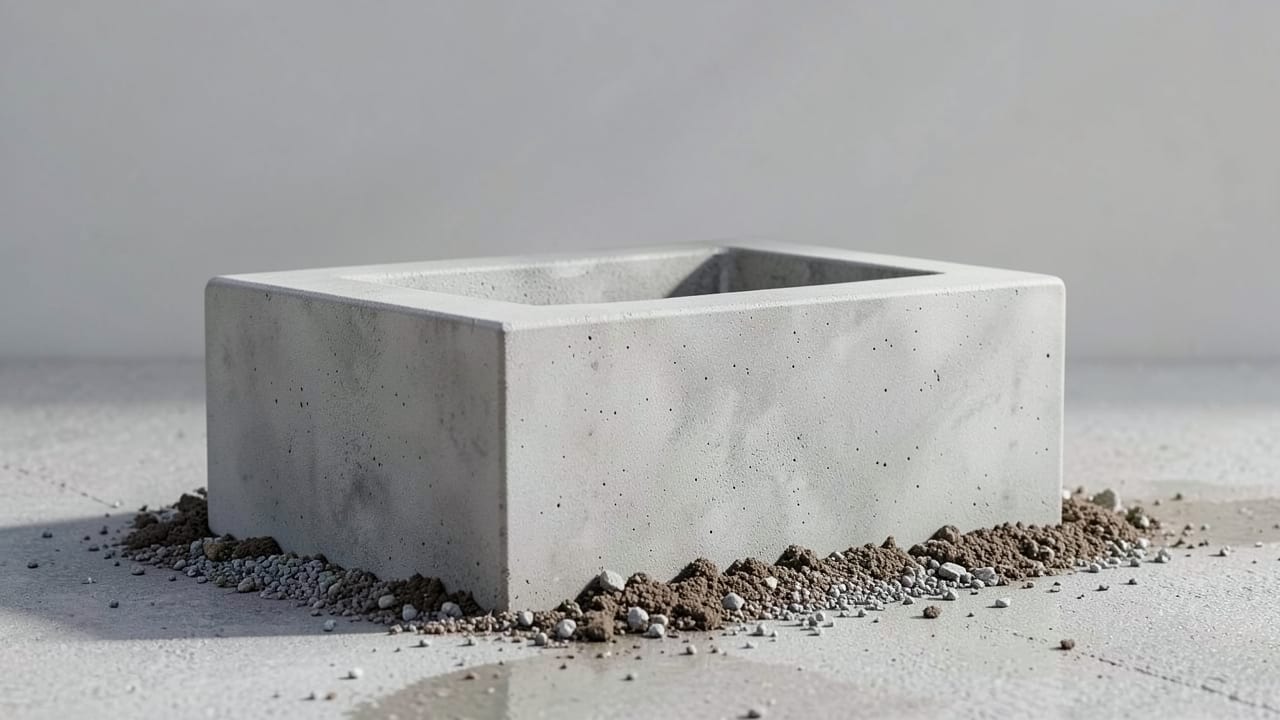
Gutter Splash Block Installation
Installation of splash blocks to direct gutter runoff away from foundations.
Gutter splash block installation in Louisville, KY, is a critical step in protecting your home’s foundation and landscaping from water damage. By directing runoff away from the house, these concrete or plastic blocks prevent erosion, basement flooding, and soil displacement—common issues in Louisville’s variable climate. Proper installation ensures long-term effectiveness and minimizes future repairs.
Why splash blocks matter in Louisville
Louisville’s heavy rainfall and clay-heavy soil make splash block installation essential. Without proper runoff direction, water pools near foundations, accelerating basement leaks and foundation cracks. Splash blocks redirect water safely into yards or drainage systems, reducing long-term repair costs.
We also handle Fascia & Soffit Repair and Vinyl Gutter Installation for Louisville properties.
In neighborhoods like St. Matthews or Jeffersontown, where older homes with clay brick exteriors are common, splash blocks also prevent water from staining or eroding landscaping. A well-installed system lasts decades, but improper placement—like blocks too close to the house—can backfire, causing water to seep back toward the foundation.
Signs Your Home Needs Splash Blocks
- Water pooling or puddling near the foundation after rain, even with gutters installed.
- Visible erosion or muddy soil directly below downspouts, indicating runoff isn’t dispersing.
- Downspouts discharging water *directly* onto walkways, driveways, or flower beds (a red flag).
- Basement or crawl space dampness that worsens after storms, suggesting groundwater intrusion.
- Existing splash blocks cracked, shifted, or buried under soil buildup (common after years of freeze-thaw cycles).
How splash blocks work with your gutters
Splash blocks are just one part of a complete gutter system. They rely on proper downspout placement, gutter pitch, and splash block alignment to function. If your gutters aren’t pitched correctly (e.g., level instead of sloped toward the downspout), splash blocks alone won’t solve standing water issues in the trough.
In Louisville’s climate, splash blocks should be installed at least **18–24 inches away from the foundation** to prevent water from seeping back. For homes with steep roofs or large overhangs, blocks may need to be placed in a **dispersed pattern** to handle higher water volume during summer thunderstorms.
| Issue | Root Cause | Solution |
|---|---|---|
| Water overflowing at the top of downspouts | Downspout undersized for roof area or clogged | Replace downspout with a larger diameter (e.g., 3-inch for roofs >1,200 sq ft) or clear debris annually. |
| Splash blocks buried under soil after one season | Blocks not secured or soil erosion | Use landscape fabric around blocks and anchor them with stakes or pavers. |
| Gutters sagging between hangers despite splash blocks | Hangers spaced too far apart or fastened to fascia trim only | Rehang gutters with hangers spaced every 24–36 inches into solid framing. |
| Water pooling *behind* splash blocks | Blocks pitched upward or too close to house | Regrade soil around blocks to create a slight downward slope away from foundation. |
Local considerations for Louisville homes
Louisville’s mix of historic homes (with clay tile roofs) and modern builds (with shingle or metal roofs) affects splash block needs. Older homes often have **narrower downspouts** (2-inch) that can’t handle the volume of newer, larger roofs, leading to overflow even with splash blocks. Upgrading to 3-inch downspouts may be necessary.
In areas like Anchorage or Fern Creek, where basements are common, splash blocks should integrate with **French drains or dry wells** for homes with poor natural drainage. A professional can assess whether your system needs supplemental drainage to handle Louisville’s 45+ inches of annual rainfall.
How gutter splash block installation works
Installation starts with an inspection of your existing system to ensure gutters and downspouts are functional.
- 1Inspect and Measure
The crew checks gutter pitch, downspout placement, and fascia condition. They measure the distance from the downspout outlet to the foundation to determine splash block placement (typically 18–24 inches away).
- 2Clear and Prepare the Area
Grass, debris, or existing buried blocks are removed. The soil is leveled to create a slight slope away from the house, ensuring water disperses properly.
- 3Position and Secure Blocks
Concrete or plastic splash blocks are placed at the downspout outlet, angled slightly downward to direct water outward. Blocks are often staked or surrounded by landscape fabric to prevent shifting.
- 4Test the System
After installation, the crew simulates rainfall by pouring water into the gutters to verify splash blocks channel water away from the foundation without pooling.
- 5Final Adjustments
If water backs up or pools, the crew may add additional blocks or regrade the soil until runoff disperses correctly.
Frequently asked questions
Can I install splash blocks myself, or should I hire a pro?
DIY installation is possible, but improper placement (e.g., blocks too close to the foundation) can worsen water damage. Professionals ensure proper pitch, distance from the house, and integration with your gutter system, which is critical in Louisville’s clay soil.
How long do splash blocks last, and when should I replace them?
Concrete blocks last 20+ years if undisturbed, while plastic blocks degrade faster (5–10 years). Replace them if cracked, buried under soil, or if water pools behind them after rain.
Will splash blocks fix a gutter system that’s not pitched correctly?
No. Splash blocks only redirect water *after* it exits the downspout. If gutters are level or pitched the wrong way, water will still sit in the trough, causing overflow or ice dams in winter.
Do I need splash blocks if my downspouts extend to a French drain?
Yes, but placement matters. Splash blocks should still be installed at the downspout outlet to prevent erosion near the drain inlet, which can clog over time.
Where Louisville sits, and what the Census lists nearby
Louisville sits in Kentucky, and the closest places listed in the U.S. Census Gazetteer are Parkway Village (0.9 miles south), Audubon Park (1.6 miles southeast), Strathmoor Manor (3.1 miles east), Strathmoor Village (3.4 miles east). Within 25 miles of Louisville the same source lists 129 distinct incorporated places and census-designated places. Those figures matter for gutter splash block installation because they are straight-line distances between Census coordinate points: road mileage between Louisville and Parkway Village runs longer than the 0.9 miles shown, which is why quotes for the same job differ between towns that look close together on a map. Source: U.S. Census Bureau Gazetteer.
See Shively, KY for more, or see our full Louisville-area coverage from start to finish for our complete lineup.
Ready to get started?
Talk to a local gutter cleaning pro in Louisville — get a written quote.
Other Gutter Cleaning Services in Louisville
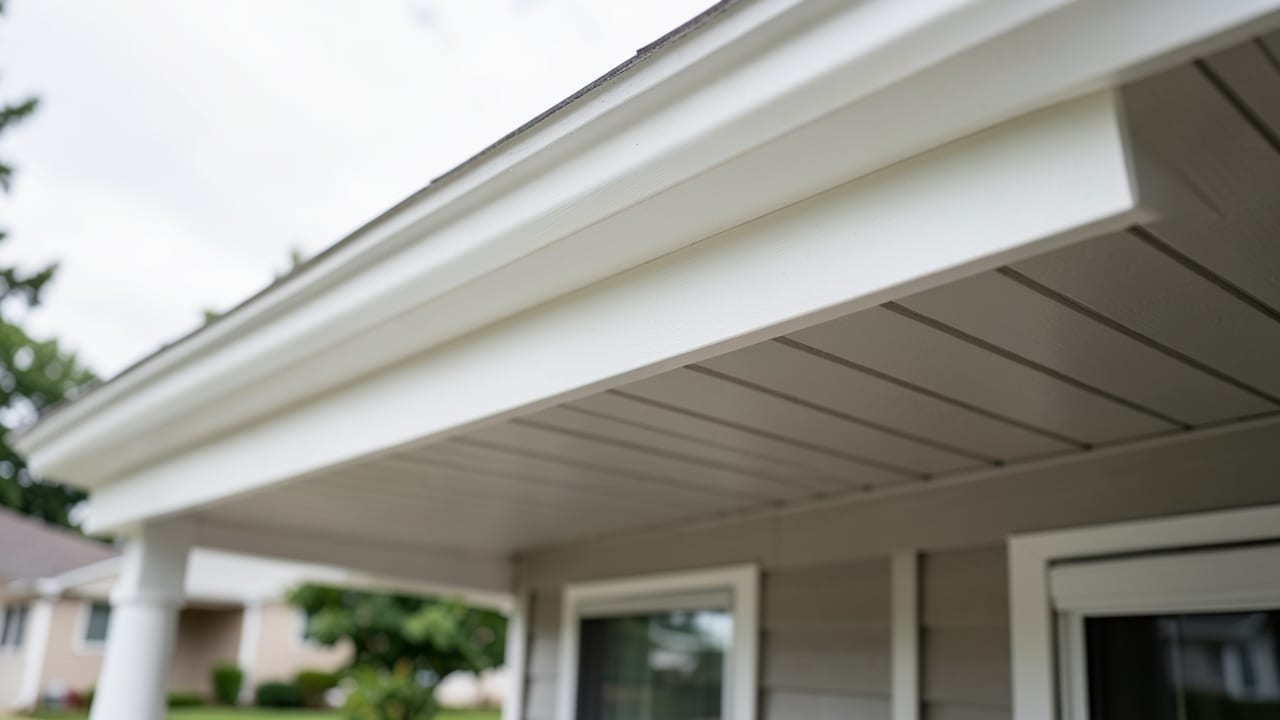
Fascia & Soffit Repair in Louisville, KY
Fascia and soffit repair in Louisville, KY fixes the trim boards gutters mount to, often damaged by long-term overflow or water intrusion.
Learn More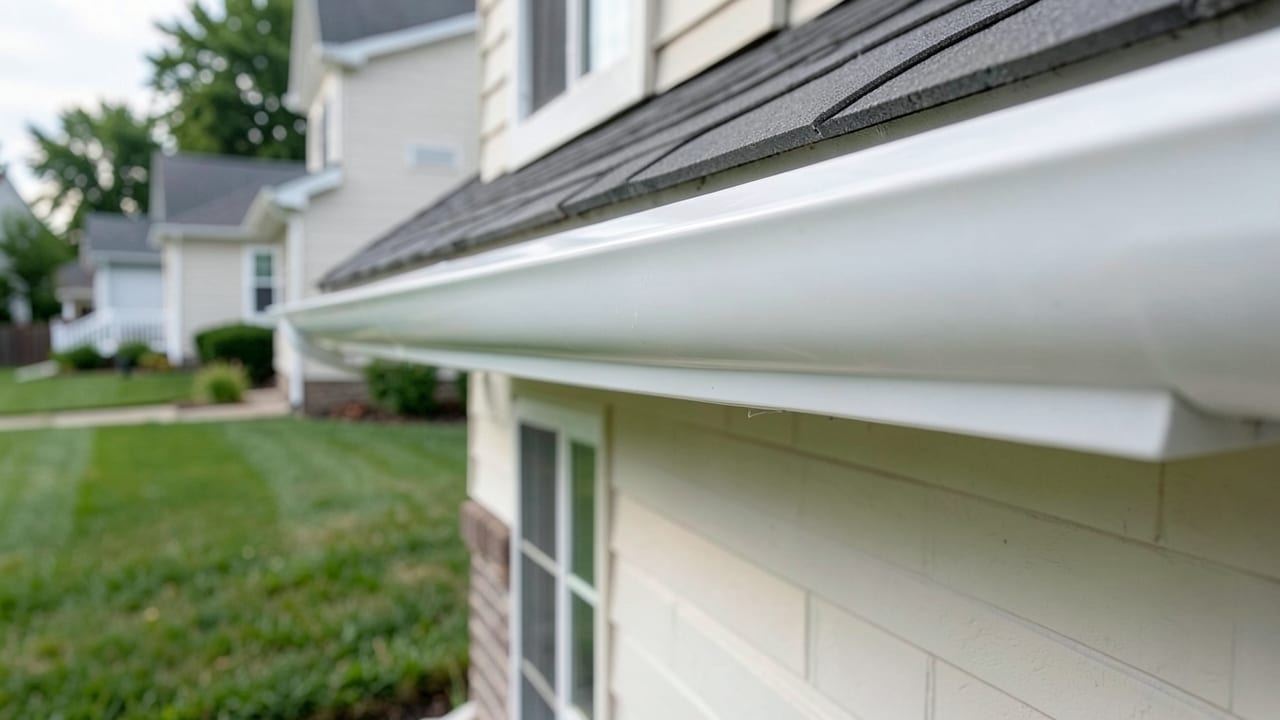
Vinyl Gutter Installation in Louisville, KY
Professional installation of vinyl gutters to direct rainwater away from the home.
Learn More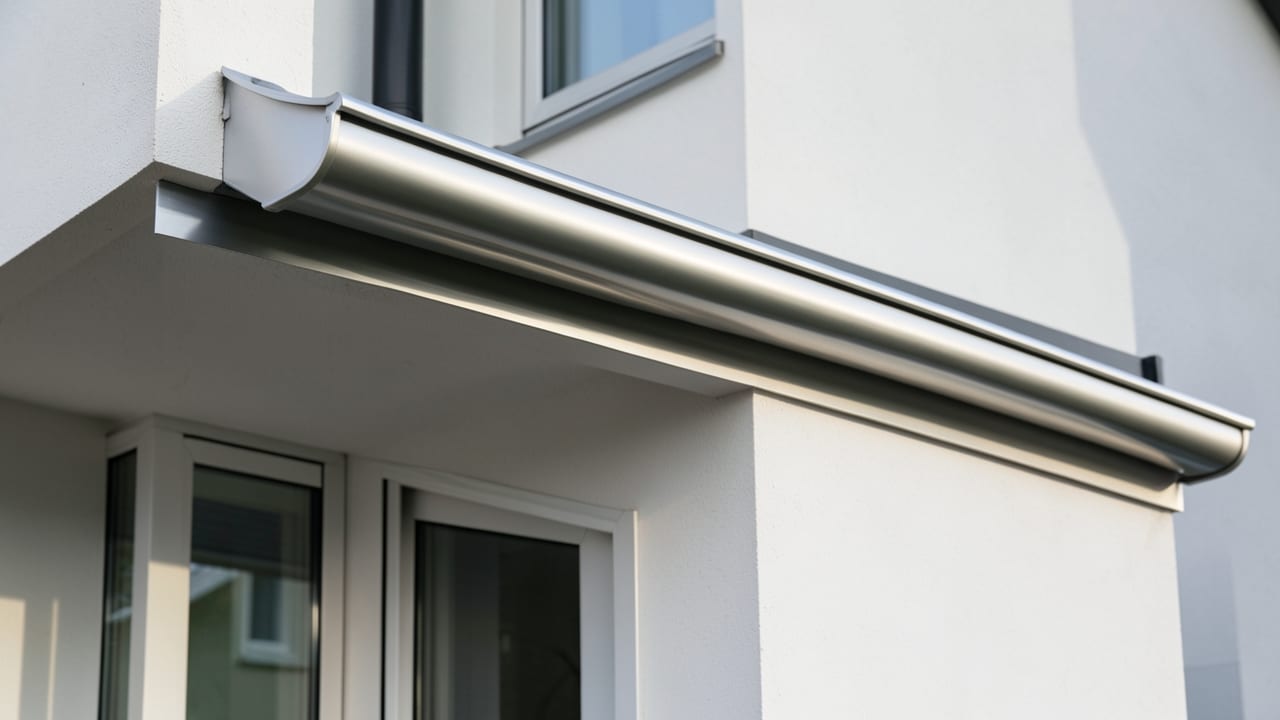
Aluminum Gutter Installation in Louisville, KY
Professional installation of aluminum gutters to manage rainwater runoff effectively.
Learn More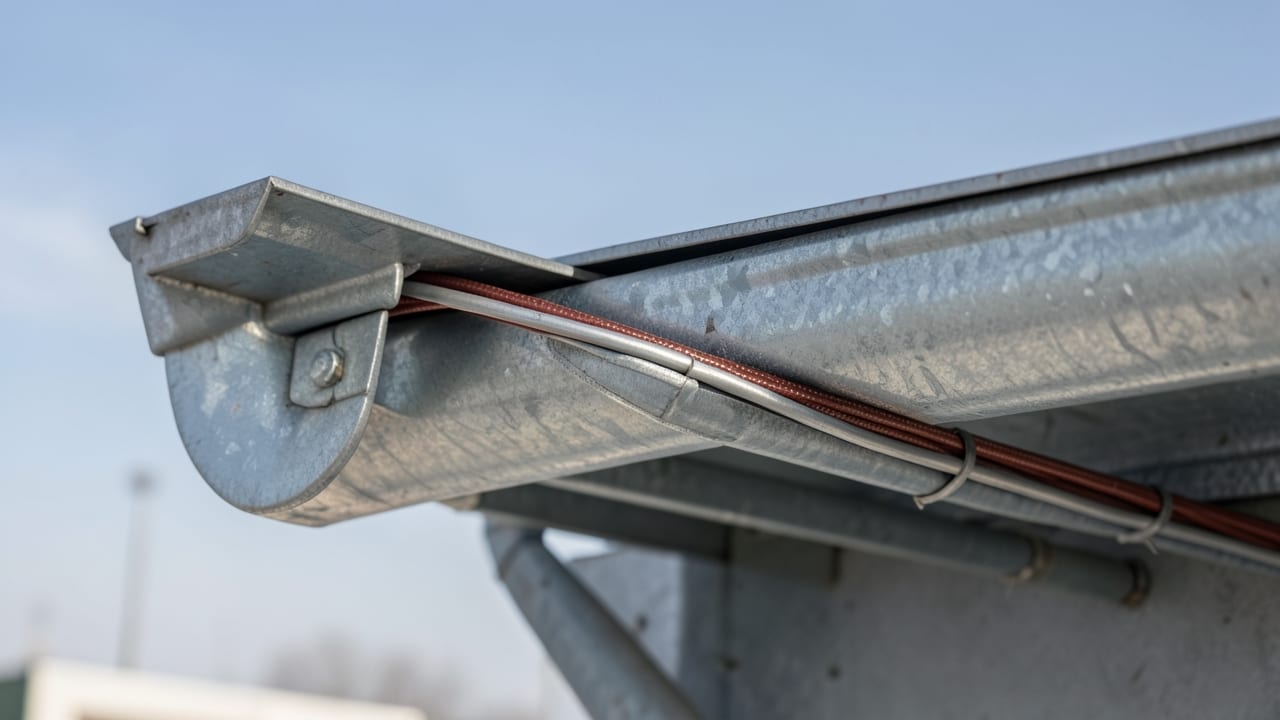
Gutter Heating System Installation in Louisville, KY
Installation of heating systems in gutters to prevent ice dams and clogging.
Learn More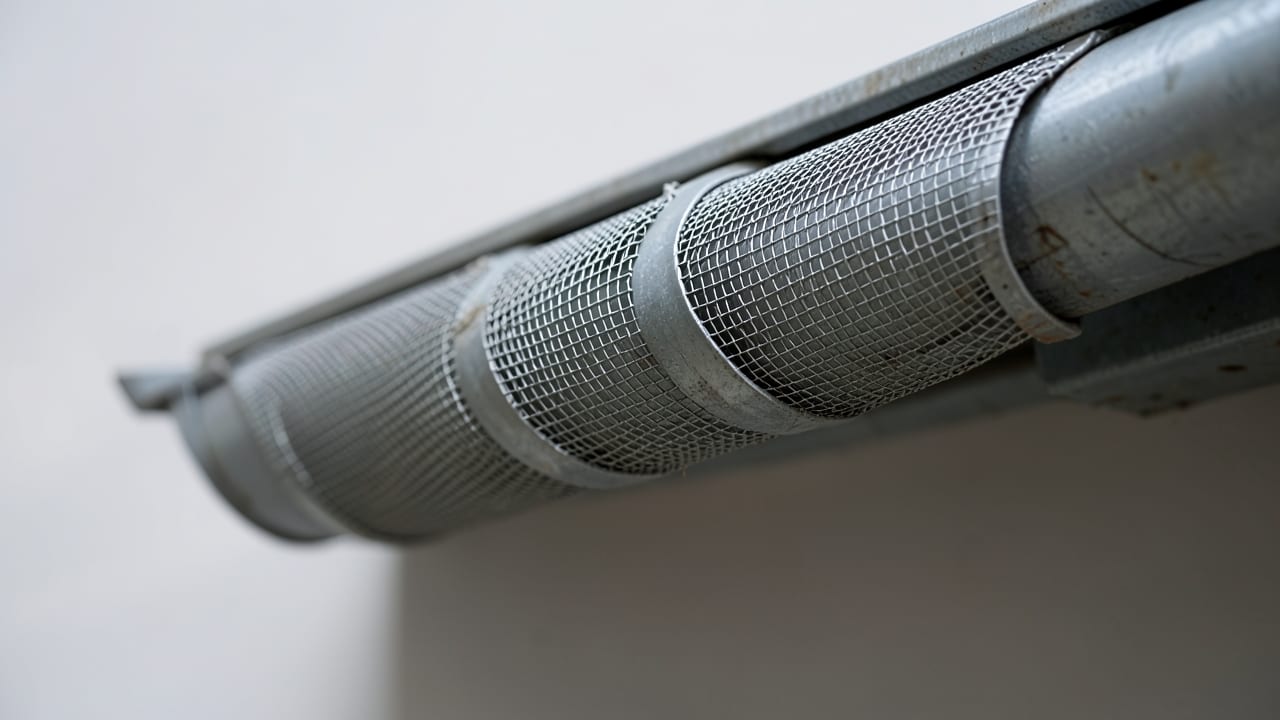
Gutter Screen Installation in Louisville, KY
Installation of gutter screens to prevent debris buildup and improve water flow.
Learn More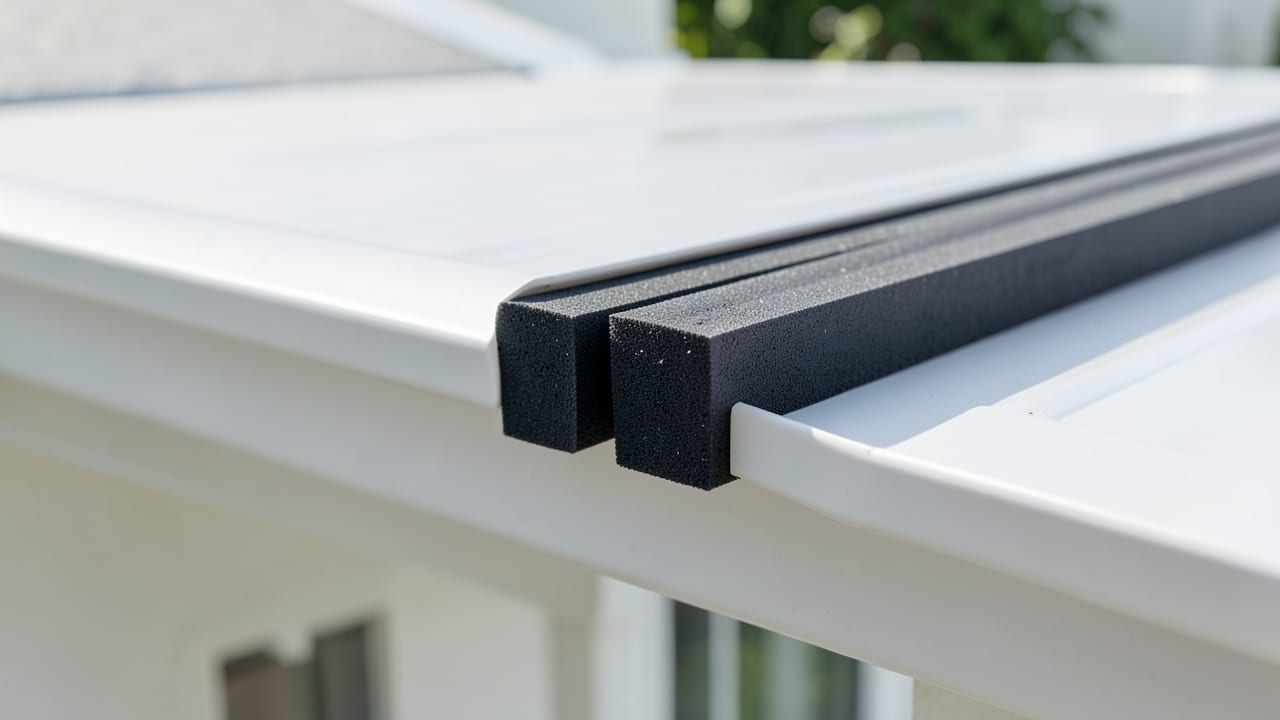
Gutter Foam Insert Installation in Louisville, KY
Installation of foam inserts into gutters to reduce debris buildup and improve water flow.
Learn MoreCommon Questions About Gutter Cleaning in Louisville
Everything you need to know about gutter cleaning services in Louisville
How much does Gutter Splash Block Installation typically cost in Louisville, KY?
What local factors affect how often gutters need attention around Louisville, KY?
Does Gutter Splash Block Installation require a special license in KY?
Can gutters be cleaned safely from the roof instead of a ladder?
Can standing water in clogged gutters attract pests?
How often do gutters actually need to be cleaned?
Need Gutter Cleaning in Louisville?
Get a written quote from our Louisville crew.
⏰ We answer your call • Serving all of Louisville and surrounding areas