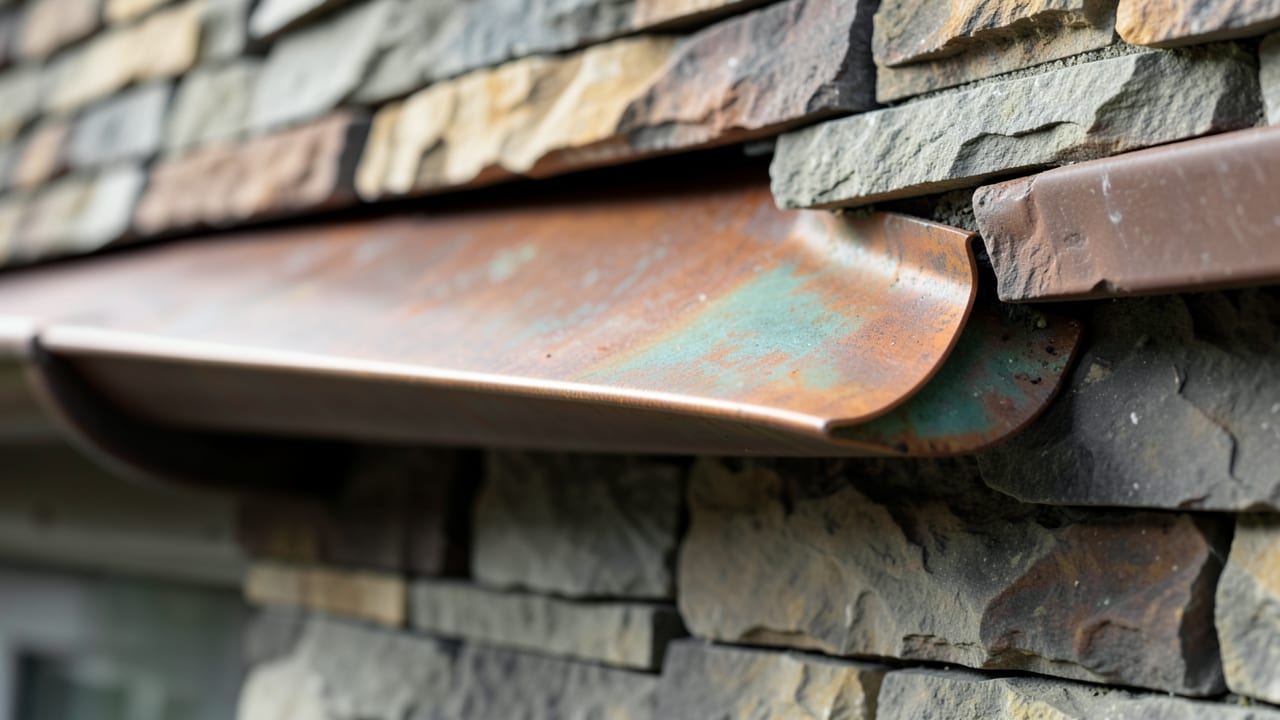
Stone Veneer Gutter Flashing
Installing or repairing stone veneer gutter flashing to prevent water damage behind siding.
In Louisville, KY, stone veneer gutter flashing is essential for protecting homes with exterior stone walls from water damage. This specialized flashing directs water into gutters, preventing moisture seepage that can compromise walls and foundations. Proper installation and maintenance ensure long-term durability, especially in Louisville’s variable climate with heavy rain and seasonal freeze-thaw cycles.
Why stone veneer flashing matters in Louisville
Stone veneer homes in Louisville face unique challenges due to the combination of heavy masonry and fluctuating weather. Without proper flashing, water can pool behind the stone, leading to rot, mold, or structural damage. This is especially critical in neighborhoods like St. Matthews and Jeffersontown, where older homes with stone exteriors are common.
We also handle Gutter Cleaning and Gutter Guard Installation for Louisville properties.
Flashings are typically made of metal or synthetic materials and are installed along the roofline where it meets the stone. They act as a barrier, ensuring water flows into gutters rather than seeping into walls. Over time, improper installation or wear can compromise this barrier, making regular inspections and maintenance vital.
Signs Your Stone Veneer Flashing Needs Attention
- Water stains or dampness appearing on interior walls near stone exterior sections, indicating moisture intrusion.
- Visible gaps, rust, or holes in flashing material, which compromise its ability to direct water away from the wall.
- Gutters overflowing during storms, suggesting flashing may not be properly diverting water into the system.
- Soft or rotting fascia boards behind the gutters, a sign of prolonged water exposure due to failed flashing.
How flashing integrates with gutter systems
Stone veneer flashing works in tandem with gutters to create a cohesive drainage system. Flashing ensures water is funneled into gutters, while gutters direct it away from the home’s foundation. In Louisville’s climate, this system is tested by heavy rainfall and ice dams, which can stress gutters and flashing alike.
A well-installed flashing system includes proper sealing at seams and connections to prevent leaks. If flashing is damaged or improperly installed, it can lead to gutter sagging, rust, or even detachment from the fascia. Regular maintenance checks can catch these issues early, saving homeowners costly repairs.
| Issue | Cause | Solution |
|---|---|---|
| Water pooling behind stone veneer | Failed or missing flashing | Inspect and replace damaged flashing; ensure proper slope and sealing. |
| Gutter sagging or detachment | Loose or corroded hangers | Re-hang gutters with proper spacing and secure fastening into framing. |
| Seam leaks or drips | Failed sealant or improper installation | Re-seal seams with gutter-specific sealant; check pitch and slope. |
| Downspout overflow during storms | Undersized downspout or clogged system | Clear downspouts; verify sizing matches roof area. |
Maintenance tips for long-term protection
Preventative maintenance is key to extending the life of stone veneer flashing and gutters. Louisville homeowners should inspect their systems at least twice a year—spring and fall—to check for damage, rust, or debris buildup. After severe storms or heavy snowfall, a quick inspection can identify issues before they worsen.
Pay special attention to the pitch of the gutters and the condition of hangers. Gutters should slope slightly toward downspouts (about 1/4 inch per 10 feet) to ensure proper drainage. Hangers should be securely fastened into framing, not just the fascia trim, to prevent detachment during heavy loads.
How stone veneer gutter flashing installation works
Installing or repairing stone veneer gutter flashing requires precision to ensure water is properly directed away from the home.
- 1Inspect Existing System
The crew begins by inspecting the current gutter run, flashing, and fascia for damage, rust, or improper installation. This includes checking the pitch, hanger spacing, and condition of the fascia board to ensure it can support new materials.
- 2Remove or Measure for Replacement
Damaged sections of flashing or gutters are removed. For new installations, the roofline is measured for length, corners, and downspout placement to ensure custom cuts or seams fit perfectly.
- 3Install Hangers and Fasteners
New hangers are spaced consistently (closer together in snowy areas) and fastened into solid framing, not just the fascia trim, to prevent future detachment under heavy loads.
- 4Set Pitch and Seal Connections
The gutter run is adjusted to a slight slope toward the downspout, typically 1/4 inch per 10 feet. Seams and downspout connections are sealed with gutter-specific sealant to prevent leaks.
- 5Test for Proper Drainage
The system is tested with water to confirm proper drainage. Any leaks, sagging, or improper flow are addressed before the crew leaves the property.
Frequently asked questions
How do I know if my stone veneer flashing is failing?
Look for water stains on interior walls, rust or holes in the flashing, or gutters that overflow during storms. Soft or rotting fascia boards are also a red flag, indicating prolonged water exposure.
Can I clean my gutters myself if the flashing is intact?
Yes, but only if the flashing is in good condition and the gutters aren’t sagging or detached. Always check for proper slope and secure hangers first. If you’re unsure, hire a professional to avoid damaging the system.
Why does my downspout overflow even after cleaning?
Overflowing downspouts often mean the downspout is undersized for your roof area or the gutters aren’t pitched correctly. A professional can assess whether the system needs resizing or re-pitching.
How often should I have my stone veneer flashing inspected?
Inspections should occur at least twice a year, especially after heavy storms or winter. This helps catch issues like loose hangers or failing sealant before they lead to major damage.
Where Louisville sits, and what the Census lists nearby
Louisville sits in Kentucky, and the closest places listed in the U.S. Census Gazetteer are Parkway Village (0.9 miles south), Audubon Park (1.6 miles southeast), Strathmoor Manor (3.1 miles east), Strathmoor Village (3.4 miles east). Within 25 miles of Louisville the same source lists 129 distinct incorporated places and census-designated places. Those figures matter for stone veneer gutter flashing because they are straight-line distances between Census coordinate points: road mileage between Louisville and Parkway Village runs longer than the 0.9 miles shown, which is why quotes for the same job differ between towns that look close together on a map. Source: U.S. Census Bureau Gazetteer.
See Meadowview Estates, KY for more, or take a look at every option available in Louisville by service type for our complete lineup.
Ready to get started?
Talk to a local gutter cleaning pro in Louisville — get a written quote.
Other Gutter Cleaning Services in Louisville
Gutter Cleaning in Louisville, KY
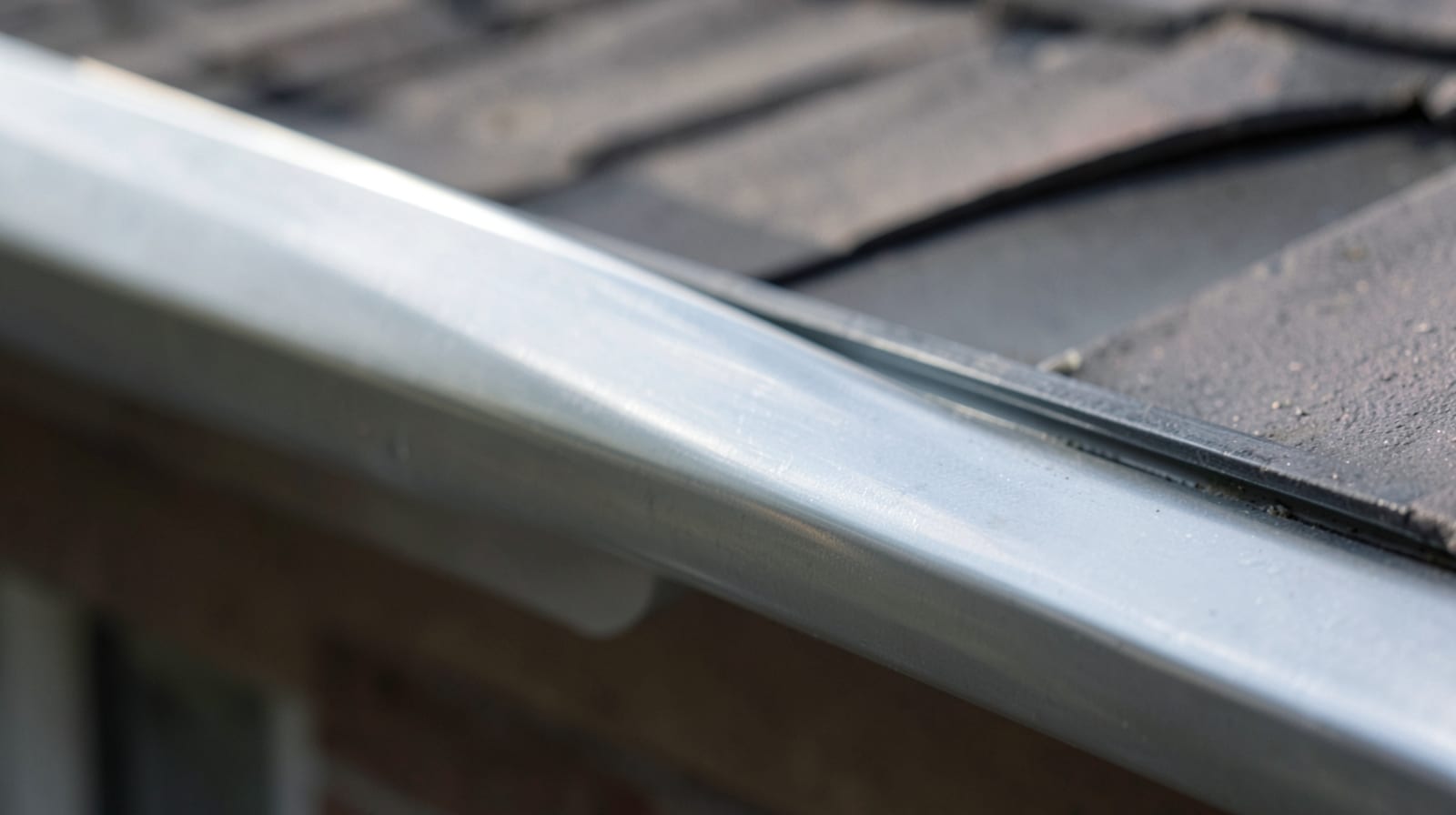
Whole-system gutter cleaning in Louisville, KY — clears leaf and twig buildup from every run and downspout so water is carried away from the roof and foundation, not into them.
Learn More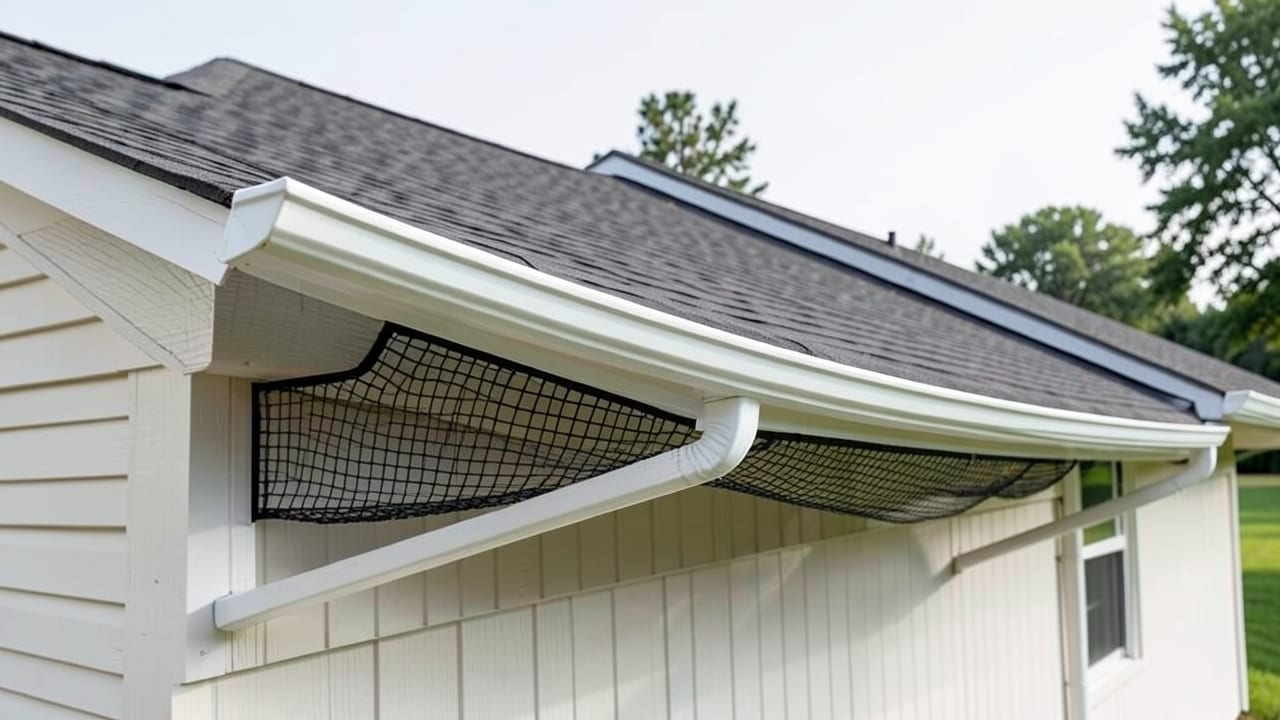
Gutter Guard Installation in Louisville, KY
Gutter guard installation in Louisville, KY reduces how often gutters need clearing by keeping leaf and twig buildup out of the trough in the first place.
Learn More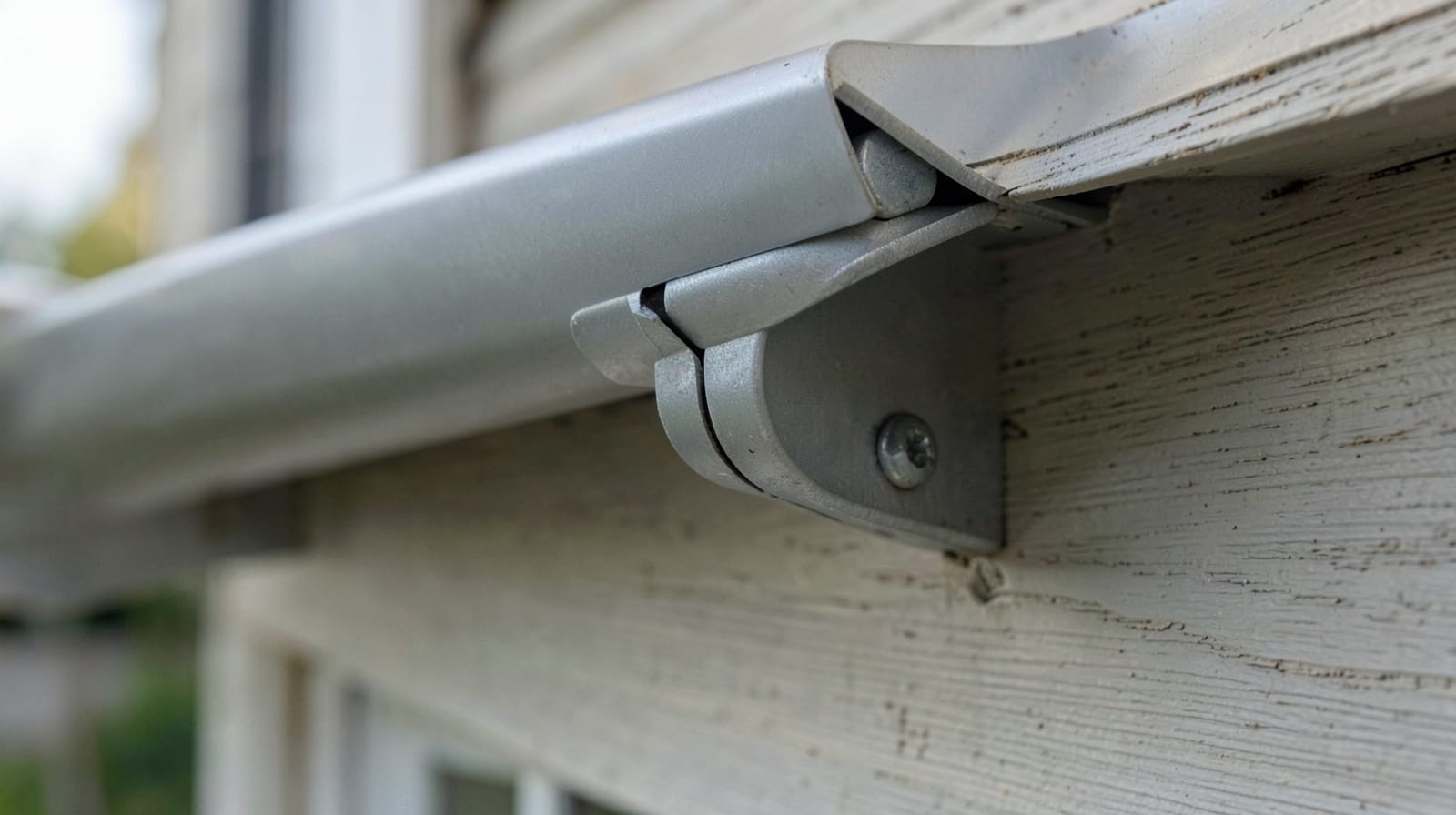
Gutter Repair in Louisville, KY
Gutter repair in Louisville, KY for sagging sections, loose fasteners, seam leaks, and gutters pulling away from the fascia.
Learn More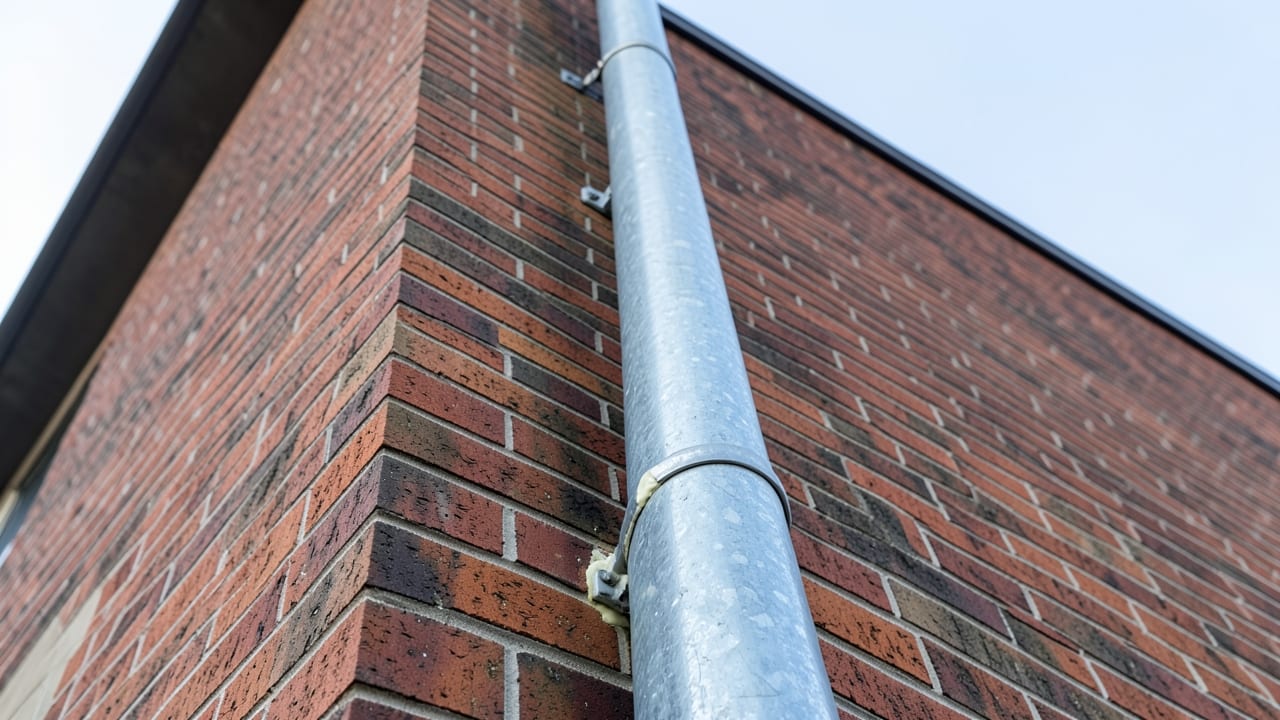
Downspout Cleaning & Repair in Louisville, KY
Downspout cleaning and repair in Louisville, KY clears internal clogs and fixes disconnected or misdirected downspouts that dump water at the foundation.
Learn More
Gutter Resealing & Resloping in Louisville, KY
Gutter resealing and resloping in Louisville, KY fixes leaking seams and standing water caused by a gutter that has lost its pitch toward the downspout.
Learn More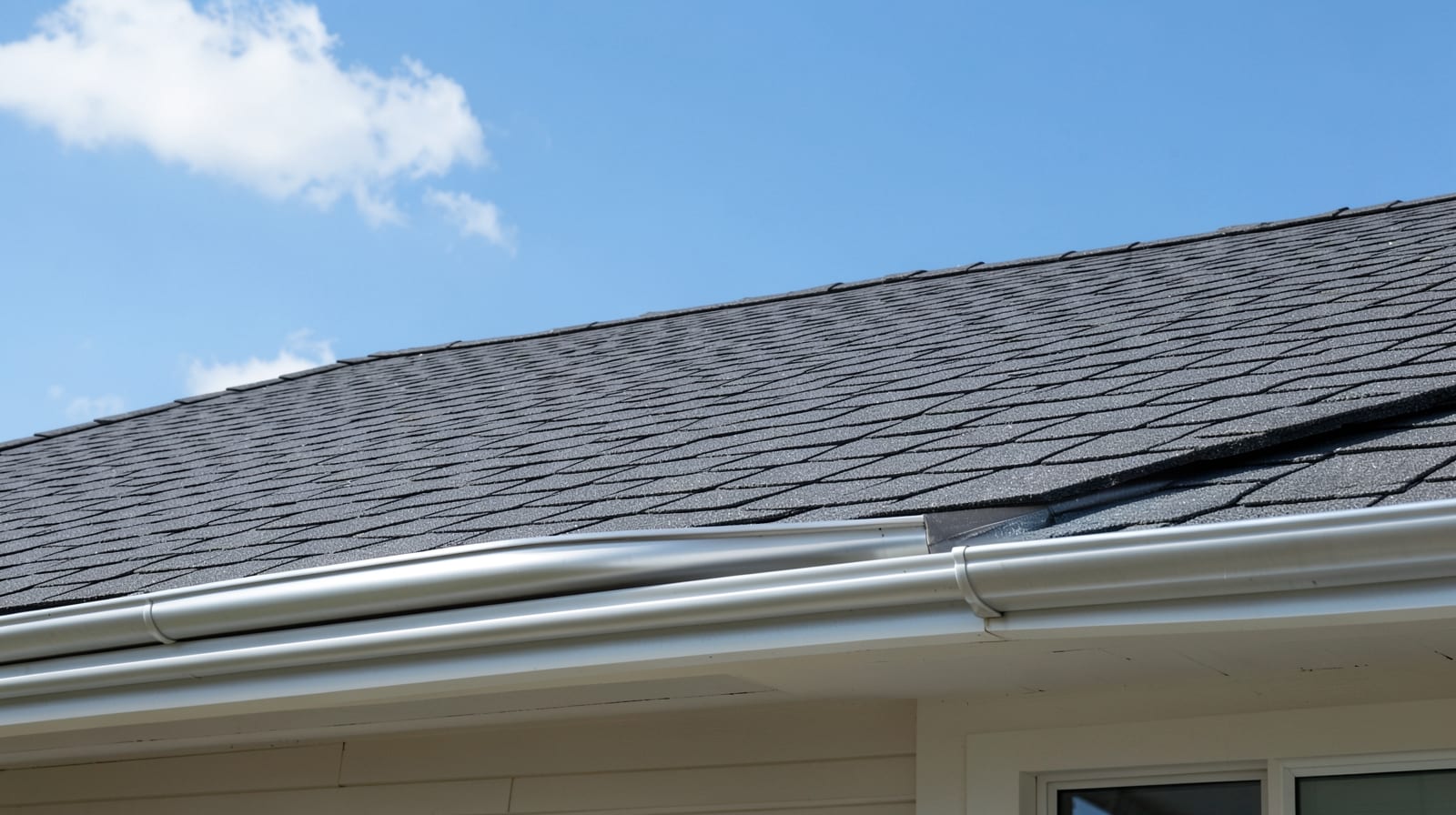
Roof & Gutter Inspection in Louisville, KY
Roof and gutter inspection in Louisville, KY checks drainage, fastener condition, and roof-edge flashing before small issues become water damage.
Learn MoreCommon Questions About Gutter Cleaning in Louisville
Everything you need to know about gutter cleaning services in Louisville
How much does Stone Veneer Gutter Flashing typically cost in Louisville, KY?
What local factors affect how often gutters need attention around Louisville, KY?
What actually happens if gutter cleaning gets skipped for a season?
Is cleaning gutters a reasonable DIY project?
Does a standard gutter cleaning include the downspouts, or just the troughs?
Why do two-story homes typically cost more for gutter cleaning than one-story homes?
Need Gutter Cleaning in Louisville?
Get a written quote from our Louisville crew.
⏰ We answer your call • Serving all of Louisville and surrounding areas